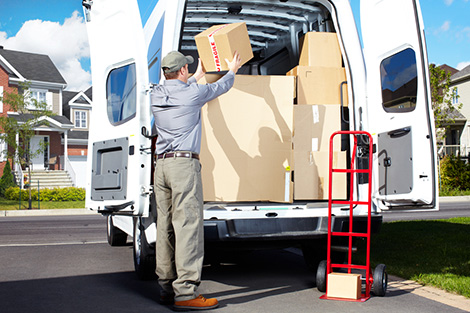
Difficult access removals in Kennington terrace properties
If you are dealing with Difficult access removals in Kennington terrace properties, you already know the challenge is rarely just about lifting boxes. It is the narrow staircases, awkward landings, tight front steps, shared hallways, parking pressure, and the simple fact that a good move can turn messy very quickly if the access is not planned properly. In a terrace house, one small oversight can slow everything down.
This guide breaks the process into plain English. You will see what makes these removals tricky, how the work is usually planned, what helps on moving day, and where people most often get caught out. The aim is simple: fewer surprises, less stress, and a move that feels controlled rather than chaotic. To be fair, that is what everybody wants on the day.
Table of Contents
- Why difficult access removals in Kennington terrace properties matters
- How difficult access removals in Kennington terrace properties works
- Key benefits and practical advantages
- Who this is for and when it makes sense
- Step-by-step guidance
- Expert tips for better results
- Common mistakes to avoid
- Tools, resources and recommendations
- Law, compliance, standards, and best practice
- Options, methods, and comparison table
- Case study or real-world example
- Practical checklist
- Conclusion
- Frequently asked questions
Why difficult access removals in Kennington terrace properties matters
Terrace properties in Kennington often bring character, but character and removals do not always get on. The layout can be old, the stairs may be narrow, doorways may be tighter than modern furniture expects, and access to the street can be limited by parked cars or low headroom. If the move involves large wardrobes, sofas, white goods, or heavy office furniture, the access plan becomes just as important as the removal van itself.
Why does this matter so much? Because difficult access affects almost every part of the job:
- how long loading and unloading take
- how many people are needed
- what type of vehicle can stop safely nearby
- whether protective materials are required
- how likely it is that furniture must be dismantled
- the risk of damage to walls, floors, bannisters, and items being moved
In a terrace, the moving team may need to work around neighbours, shared entrances, and limited pavement space. You are not just moving from A to B; you are navigating a small chain of practical obstacles, and each one has knock-on effects. That is why experienced planning matters, not just brute force.
There is also a customer experience side to this. When access is assessed properly, the move feels calmer. People know what is happening, what time things will happen, and what may need dismantling or extra handling. Without that structure, the day can feel rushed and oddly noisy, with everyone saying, "Just one second" about ten times. Not ideal.
How difficult access removals in Kennington terrace properties works
A well-run difficult access removal usually starts before moving day. The first step is understanding the property itself: the number of stairs, width of the landing, ceiling height, front and back entry points, nearby parking, and whether there is a sensible route for larger items. In terrace properties, even the angle of the staircase or the shape of a hallway turn can matter.
From there, the mover will usually identify the safest way to remove each item. Sometimes that means dismantling furniture. Sometimes it means using additional lifting support. Sometimes it means choosing a smaller vehicle, or parking a bit further away and carrying items down a longer route. It is not glamorous, but it works.
The job also benefits from a timed sequence. For example, the team may begin with the bulkiest or most fragile items first, then move to boxes and smaller contents. If there are appliance removals, they may be separated from general household items so there is less chance of damage or delay. If rubbish or unwanted furniture also needs to go, services such as furniture pick-up or mattress and sofa disposal can help clear space before or after the main move.
On the day, good communication matters more than people expect. Someone should know where keys are, which items are not moving, which rooms are clear, and whether any neighbours or building restrictions need to be respected. It sounds basic, but basic things save time.
If you want hands-on support beyond a standard lift-and-load, services like man and van or man with van can suit smaller terrace moves, while more complex household moves may be better supported by home moves or house removalists. The right choice depends on volume, access, and how much handling care the property needs.
Key benefits and practical advantages
The main benefit of planning difficult access properly is simple: fewer problems. But there are several more specific advantages too.
- Less risk of damage - Narrow hallways and turning stairs can easily scuff walls or chip furniture corners if the route is not thought through.
- Faster, less stressful moving day - When access is mapped out, the crew spends less time guessing.
- Better protection for valuables - Delicate items, artwork, glass, and electronics can be packed and handled in a way that suits the layout.
- More accurate scheduling - A move with difficult access almost always takes longer than a simple front-door load.
- Improved neighbour relations - Less blocking, less noise, and fewer awkward moments outside the terrace.
- More realistic cost planning - The job is less likely to be underquoted if the access challenge is known early.
There is also a less obvious advantage: confidence. Once you know the access issues have been considered, you stop worrying about the "what ifs" quite so much. That is valuable, especially when you are juggling family, work, or a deadline to hand back keys. Truth be told, half the battle is getting your head clear enough to make good decisions.
For people moving business equipment or combining home and work items, a service such as commercial moves or office relocation services may be more appropriate than a standard domestic move. If the property is also being stripped of old assets, fridge and appliance removal can help with heavy units that are awkward on stairs.
Who this is for and when it makes sense
This kind of move is not just for large households. It is relevant to anyone facing a tricky layout or limited access in a Kennington terrace property. That might include:
- families moving out of compact Victorian or Edwardian terraces
- first-time buyers moving into upper-floor terrace rooms
- landlords preparing a rental property between tenancies
- homeowners clearing bulky furniture before renovation
- small businesses using terraced premises as live-work space
- people replacing large items like beds, sofas, or appliances
It makes sense whenever the physical space is more demanding than a standard pickup. If you have a front room that is easy to access but a top-floor bedroom with a narrow turn, that still counts. If the van cannot park right outside, that counts too. If there is only one narrow route through the property, definitely counts.
Some people only realise this late in the process, usually when a sofa reaches the staircase and everyone stands there in silence for a moment. You can almost hear the measurement maths happening in their heads. That is exactly the kind of scene you want to avoid.
For larger or more specialised item removal, it may also make sense to look at moving truck or removal truck hire if the quantity and access route justify a bigger vehicle approach. The right fit depends on the property, not just the inventory list.
Step-by-step guidance
Here is a practical way to handle difficult access removals in Kennington terrace properties without turning the day into guesswork.
1. Walk the access route in advance
Do a proper walk-through from the front door to the van route. Look at stair width, corners, ceiling heights, bannisters, and any low-hanging light fixtures. Check whether the front garden, step, pavement, or hallway adds a hidden obstacle.
2. Measure the awkward items
Measure the items that are most likely to cause trouble: sofas, wardrobes, mattresses, dining tables, fridge freezers, mirrors, and desks. If you are unsure, measure the item's longest, widest, and tallest points. This often tells you quickly whether dismantling is sensible.
3. Separate items by handling level
Not everything needs the same care. Put fragile, bulky, and heavy items into different groups. Keep screws, fittings, and small parts in labelled bags. A little organisation here saves a lot of "Where did that bolt go?" later.
4. Clear the route inside the property
Remove loose rugs, coat stands, plant pots, toys, and anything else that could trip someone or snag a load. If floors are delicate, protect them. If walls are prone to scuffing, plan padding or corner protection.
5. Think about parking and timing
In terrace streets, parking can be the difference between a smooth move and a frustrating one. Make sure the vehicle can stop legally and safely, and think about busy periods in the street. Early morning or midday may be easier than school-run chaos or evening traffic. You know the sort of thing.
6. Decide what is being moved, disposed of, or stored
People often mix up "moving day" with "clearance day." They are not always the same. If you want certain items removed rather than transported, it is sensible to separate them in advance. Services such as recycling and sustainability and what can go in a skip can help you think clearly about what should be kept, reused, or discarded.
7. Confirm the plan before the team arrives
Share access notes, item lists, floor levels, and any restrictions. If a neighbour needs to be kept informed, do that too. A short call or message can prevent a long delay once everybody is already on site.
Expert tips for better results
Experience tends to teach the same lesson again and again: difficult access moves are won in the planning stage. Here are a few practical tips that make a genuine difference.
- Use the narrowest point as the deciding factor. A sofa may fit through the front door but fail at the staircase turn. The narrowest point usually tells the truth.
- Break down furniture early. If something can be dismantled safely, do it before the pressure of moving day.
- Protect the route, not just the items. Stair rails, wall corners, and door frames need attention too.
- Keep a "do not move" zone. That avoids confusion when the team is carrying something heavy and somebody suddenly asks where the lamp is going.
- Label the fragile items clearly. Not fancy labels either. Just clear ones that can be seen quickly.
Another useful tip is to avoid overfilling the property before the move. In terrace homes, clutter compounds access issues. Even a sensible room becomes awkward when the floor is crowded. If you can clear the path, the whole process gets easier. It really does.
Where there are sensitive documents or old paperwork among the items, confidential shredding can be useful during a declutter, especially for home offices or small business spaces. And if you are moving appliances, check whether safe removal and transport are needed before the appliance is shifted rather than leaving it to the last minute.
Common mistakes to avoid
Most problems in difficult access removals are surprisingly ordinary. They are not dramatic, just avoidable. That is the annoying part.
- Not measuring properly - Guessing is not a measurement strategy.
- Ignoring stair turns - A straight-line fit can fail at the landing.
- Forgetting parking realities - The van may be fine; the street may not be.
- Leaving dismantling too late - Last-minute disassembly slows the whole job.
- Mixing disposal with moving - Clearance items can clutter the route if they are not separated.
- Assuming every mover handles access the same way - Skill, equipment, and planning vary.
- Not checking fragile surfaces - Fresh paint, polished floors, and old plaster can all suffer if rushed.
A common mistake in terrace properties is underestimating how much the downstairs doorway or staircase constrains the whole move. People focus on the room that looks tightest, but the actual problem is often the turn between rooms. There is always one bit that surprises someone.
Another one: assuming a big van automatically makes the move easier. Sometimes a slightly smaller, more flexible setup is the better call. Bigger is not always smarter. Rather obvious when you say it out loud, but still easy to forget.
Tools, resources and recommendations
You do not need specialist equipment for every move, but the right tools can make a difficult access job much safer and smoother. Typical useful items include:
- furniture blankets and protective wraps
- door frame and corner protection
- strong tape and labelled bags for fixings
- strap systems for secure lifting
- basic tools for dismantling furniture
- gloves with grip for handling awkward edges
- floor protection for delicate surfaces
If the move involves heavy pieces, a proper vehicle plan matters as well. In some cases, a standard man with van setup is enough. In others, a more structured load plan or larger vehicle arrangement through removal truck hire may be more appropriate. It depends on weight, volume, and how much carrying distance the property creates.
For customers who want a smoother experience from start to finish, packing and unpacking services can save time and reduce the risk of rushed packing. That is especially useful when access limitations already place extra pressure on the schedule.
If you need to compare service styles, the key is not just price. Look at route planning, item handling, communication, and how carefully the team discusses your access before moving day. Those details usually tell you more than a flashy promise ever will.
Law, compliance, standards, and best practice
For terrace removals, compliance is mostly about safety, responsibility, and sensible handling rather than dramatic legal drama. The main thing is to make sure the move is carried out in a way that avoids harm to people, property, and the public street environment.
Good practice usually includes the following:
- carrying items safely and not overloading a person beyond what is reasonable
- keeping access routes clear to reduce trip and fall hazards
- using suitable protection for flooring, walls, and furniture
- considering parking and pavement obstruction carefully
- separating hazardous or unsuitable materials from normal household goods
- handling disposal items responsibly rather than leaving them in the wrong place
If waste, appliances, or damaged goods are part of the job, it is wise to check the mover's policies and disposal options. Pages such as hazardous waste disposal and fridge and appliance removal are helpful reminders that not everything should be treated the same way. Some items need extra care because of weight, contents, or environmental handling considerations.
Trust also matters. Customers should be able to see clear information about insurance and safety, payment expectations, and general service terms. That transparency is not a luxury; it is part of a proper professional service. If you are checking the company background, about us can help you understand the business, while health and safety policy and terms and conditions give you a clearer sense of how the work is managed.
One practical note: local street conditions and access arrangements can change quickly in London. So if the plan depends on parking, loading space, or timing, leave a little room for real-world delays. That small margin can save the whole morning.
Options, methods, and comparison table
There is no single right method for every difficult terrace move. The best option depends on item size, access constraints, and how much help you need. The table below gives a simple comparison.
| Method | Best for | Strengths | Limitations |
|---|---|---|---|
| Man and van | Smaller or moderate moves with limited access | Flexible, practical, often easier on tight streets | May not suit very bulky loads |
| House removalists | Full-property moves with more planning needs | Better for complex handling and multiple rooms | Can be more than you need for a very small move |
| Removal truck hire | Larger moves or fuller house contents | Capacity for more items in fewer trips | Street access and parking need careful thought |
| Packing and unpacking support | Busy households or time-sensitive moves | Reduces stress and protects fragile items | Not every customer needs full packing help |
| Furniture or appliance collection services | Clear-outs, upgrades, and disposal | Removes unwanted items cleanly | Not a substitute for a full moving plan |
For some terrace properties, the best method is a blend. For example, a smaller access-friendly vehicle plus dismantling support and disposal of one or two awkward items may beat trying to force everything into one oversized solution. Common sense often wins here. Funny how often that is the case.
Case study or real-world example
Picture a typical Kennington terrace with a narrow staircase, a first-floor bedroom, and a sofa that has lived in the house long enough to know the family history. The client wants to move the main furniture out, keep most boxes, and clear one old appliance and a mattress. The front access is tight, the street parking is busy, and the hallway has a sharp turn halfway down the stairs.
In a job like this, the smart approach would be to:
- measure the sofa and the staircase before moving day
- decide early whether the sofa needs dismantling
- protect the hallway and main stair edges
- set aside disposal items separately from keep items
- use a vehicle and crew size that match the access, not just the load volume
The practical payoff is obvious: less carrying back and forth, less risk of wall scuffs, and less time spent trying to rotate an item that was never going to make the turn in the first place. That sort of planning can feel tedious before the move, but on the day it is what keeps things calm. Calm is good. Calm is very good.
In a slightly different scenario, a small home office in a terrace property may need a clean clear-out before a refurb. In that case, commercial moves may be more relevant than a standard house move, especially if documents, desks, filing units, or IT equipment are involved. If there are confidential papers too, shredding should be organised before items are moved off-site.
Practical checklist
Use this checklist before the removal team arrives:
- confirm which items are moving, disposing, or staying
- measure the largest and heaviest items
- check stair widths, turns, and ceiling clearances
- clear the hallway, stairs, and landing
- protect floors, corners, and delicate surfaces
- separate screws, fittings, and loose parts
- confirm parking and access arrangements
- tell the team about any fragile, valuable, or awkward items
- check whether appliance or furniture disposal is needed
- make sure keys, meters, and essentials are easy to find
One small but useful habit: keep a single bag or box for the things you will need immediately after the move, like phone chargers, tea, toiletries, and documents. It sounds basic because it is basic. Yet it saves a lot of rummaging when everyone is tired.
If you are comparing service prices or trying to understand what affects the cost, pricing and quotes is a sensible place to look, especially when access is a major factor. A realistic quote is usually far more useful than an optimistic one.
Conclusion
Difficult access removals in Kennington terrace properties are manageable when the route, the vehicle, the item list, and the handling plan all match the reality of the building. That is the key idea. Not bigger force, not last-minute improvising, just thoughtful preparation and a team that understands how terrace layouts behave in real life.
When access is difficult, the most valuable thing is clarity. Know what needs dismantling, what needs protection, what needs disposing of, and what route will actually work without damage or delay. Do that well, and the whole move feels less like a battle and more like a well-run job. Which, frankly, is the goal.
Get a free quote today and see how much you can save.
Frequently Asked Questions
What makes terrace property removals in Kennington difficult?
The main issues are narrow staircases, tight hallways, limited parking, and awkward turns inside older terraced layouts. Even one narrow landing can change the whole plan.
Do I need special help for difficult access removals?
Often, yes. If you have heavy furniture, multiple floors, fragile items, or limited parking, it is sensible to use a service that understands access planning and safe handling.
Can large furniture be taken out of a terrace house without dismantling it?
Sometimes, but not always. Sofas, wardrobes, and large beds often need partial dismantling to get through stair turns or tight doors. It depends on the exact measurements.
How do I know if my staircase is too narrow?
Measure the narrowest point of the staircase, including handrails and any sharp corners. If the item's width or diagonal clearance is close to that figure, dismantling may be needed.
What should I do before the movers arrive?
Clear the route, separate moving items from disposal items, label fragile boxes, and make sure parking and access are understood. A little prep goes a long way.
Is a man and van service enough for a terrace move?
It can be, especially for smaller moves or single-room jobs. For larger homes or more complex access issues, a more structured removal service may be better.
What if parking is far from the front door?
That is very common in terrace streets. The team may need to carry items further, which affects timing and may influence the vehicle choice and quote.
Can you move appliances from a terrace property safely?
Yes, but they need careful handling because they are heavy and awkward. Some appliances also require separate removal planning or disposal consideration.
How long does a difficult access move usually take?
There is no fixed time. Access, item volume, dismantling, parking, and the number of floors all affect the schedule. Difficult access always adds time, though.
Should I arrange disposal and moving together?
It can be a smart idea if the job involves unwanted furniture or appliances. Just keep disposal items clearly separate so they do not complicate the main move.
What if I am not sure whether my property access is a problem?
If you are unsure, treat it as a possible access challenge. Share photos, measurements, and route details early. It is much easier to plan around a problem before moving day than during it.
Can packing services help with difficult access removals?
Yes. Good packing and unpacking support can make fragile items safer and reduce the pressure on moving day, especially when stairs and narrow routes make everything slower.
How do I choose the right service for my move?
Start with the size of the move, the number of items, and the access restrictions. Then decide whether you need simple transport, full removal support, or extra packing and disposal help.
In the end, a difficult access move is less about perfection and more about preparation. Get the access right, and the rest tends to follow with a lot less fuss.