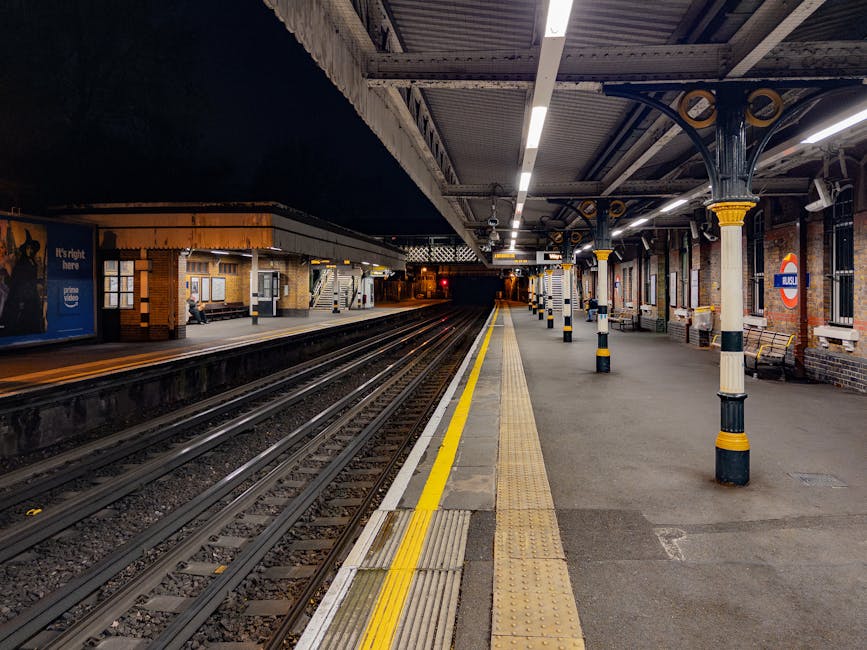
Removals near Kennington Station times and parking tips
If you are planning a move around Kennington Station, the first thing you usually discover is that the day is not just about boxes and tape. It is about timing, access, parking, narrow streets, and making sure everyone can actually do the job without circling the block for twenty minutes. That is where a sensible plan makes all the difference. This guide to removals near Kennington Station times and parking tips brings together the practical details people often wish they had checked earlier: the best moving windows, how parking tends to work, what to prepare for on the day, and the small local quirks that can save you time and a fair bit of stress.
Whether you are moving out of a flat close to the Underground, heading into a new place nearby, or arranging a same-day collection, the aim is simple: fewer surprises, smoother loading, and a move that feels controlled rather than chaotic. To be fair, that is what everybody wants when the sofa is already halfway out the door.
Table of Contents
- Why Removals near Kennington Station times and parking tips Matters
- How Removals near Kennington Station times and parking tips Works
- Key Benefits and Practical Advantages
- Who This Is For and When It Makes Sense
- Step-by-Step Guidance
- Expert Tips for Better Results
- Common Mistakes to Avoid
- Tools, Resources and Recommendations
- Law, Compliance, Standards, or Best Practice
- Options, Methods, or Comparison Table
- Case Study or Real-World Example
- Practical Checklist
- Conclusion
- Frequently Asked Questions
Why Removals near Kennington Station times and parking tips Matters
Kennington Station sits in a part of London where traffic, footfall, and street layout can all affect a move. That matters more than people sometimes expect. If your removals van arrives at the wrong time, you can end up competing with commuters, buses, delivery vehicles, and the usual weekday squeeze. If parking is not thought through, the crew may have to park too far away, which slows everything down and increases the number of trips.
For local moves, the difference between a smooth day and a frustrating one often comes down to timing and access. A small flat with a tight stairwell is manageable if the van can stop close by. The same job becomes much harder when the team has to work around double yellow lines, a busy junction, or a street with limited waiting space. It is not glamorous, but it is the reality of moving in central and inner London.
There is also a budget angle. A well-timed move can reduce waiting time, avoid unnecessary delays, and cut the risk of extra labour on the day. That is one reason good removal planning is not just about convenience; it is about keeping the whole job efficient. If you want to understand how service pricing, timing, and quote structure usually work, the company's pricing and quotes guidance is a sensible place to start.
Practical truth: in busy London neighbourhoods, the best move is often the one that looks boring from the outside. Park close, keep the route clear, and do the simple things well.
That kind of preparation also helps when you are dealing with awkward items, fragile belongings, or a last-minute clearance. If your move includes household waste, recyclable materials, or items needing special handling, planning early lets you separate them properly rather than improvising at the kerb.
How Removals near Kennington Station times and parking tips Works
The process is fairly straightforward, but the details matter. A removal near Kennington Station usually starts with a route and access review, then moves into timing, parking, packing, and loading. The better the front-end planning, the less likely you are to hit delays once the van is on the road.
In practice, a local removals job around the station tends to follow a pattern:
- Choose a time window that avoids peak congestion where possible.
- Check whether the van can stop legally and safely close to the property.
- Confirm lift access, stair width, and any awkward entrances.
- Prepare items in advance so loading is quick and controlled.
- Keep a contingency plan in case the preferred space is occupied.
Parking is the part that catches people out. A street may look fine on paper, then turn out to have limited space, active restrictions, or loading pressure from other vehicles. Sometimes the answer is simply to arrive a little earlier and have a second parking option ready. A little unexciting, yes. Extremely useful, also yes.
Times matter in a few different ways. Morning slots can work well because the road network is not yet fully congested, but they may be tighter if residents are leaving for work and parking demand is high. Midday may be more relaxed in some pockets, though schools, deliveries, and local traffic can still complicate things. Later in the day can be easier for access, but the move may run into fatigue, fading daylight, or building rules around quieter hours. The best time is usually the time that fits both the route and the building, not just the clock.
Where specialist items are involved, it helps to plan those separately. For example, appliance moves can require extra care, while bulky furniture may need dismantling. If you have a fridge, freezer, washer, or similar item, see the dedicated appliance removal service so you can factor in handling needs early.
Key Benefits and Practical Advantages
Good timing and parking planning do not just reduce hassle. They improve almost every part of the move. Here is where the real value shows up.
- Faster loading and unloading: If the van is close to the entrance, the team can work in a steady rhythm rather than wasting energy on long carry distances.
- Lower risk of damage: Shorter carries mean fewer chances to bump walls, doorframes, bannisters, or the item itself.
- Less stress on the day: When parking is sorted, the move feels more organised. That calm matters more than people think.
- Better use of paid time: You are not paying a crew to wait around while someone circles for a parking spot.
- More flexibility for awkward access: Basements, upper floors, narrow halls, and shared entrances are all easier to manage with a well-placed van.
There is also a quiet benefit that people overlook: neighbours and building managers tend to react better when the move is tidy and clearly planned. Nobody loves a blocked pavement or a van idling in the wrong spot. If you can keep things moving with minimum disruption, that is usually appreciated, even if nobody says it out loud.
In some cases, careful timing also gives you space to handle side jobs on the same day. Maybe you need confidential paperwork removed, or maybe you are clearing a mattress, sofa, or old appliance at the same time. Those tasks are much easier to schedule when the main removal is not already under pressure. For example, the confidential shredding service can be useful if you are clearing boxes of documents during a move.
Who This Is For and When It Makes Sense
This guide is useful for anyone moving near Kennington Station, but it is especially relevant if your access is a bit awkward or your schedule is tight. In real terms, that means a lot of people.
- Flat movers: Especially if you are on an upper floor or in a converted property with narrow stairs.
- Students and renters: Often moving on a deadline, with limited time to sort parking or loading permits.
- Families: Usually juggling school runs, furniture, boxes, and a fair amount of emotion, if we are honest.
- Small businesses: Offices or studios that need a clean handover without disrupting staff or clients.
- People clearing bulky items: Sofa, mattress, appliance, or mixed household waste jobs that need the right vehicle and handling.
It also makes sense for anyone who is trying to avoid a full-scale self-move. Hiring help is often more practical than hiring a van and hoping the parking situation behaves itself. Around stations, it often doesn't.
One common scenario is a same-day move where the outgoing tenant has to vacate before the next person arrives. That is when timing becomes essential. Another is a weekend move from a nearby street with limited parking turnover. In both cases, a little planning is the difference between a relaxed handover and a very long afternoon.
If you are comparing levels of service or trying to work out what can be included, the company's online booking page is handy for checking availability and arranging a slot that suits your move.
Step-by-Step Guidance
Here is a practical way to organise a removal near Kennington Station without overcomplicating it.
- Confirm your moving date early. Small timing changes can affect parking, access, and building rules.
- Check the street layout. Look for loading restrictions, single yellow lines, resident bays, or places where stopping would clearly cause problems.
- Think about the time of day. Avoid the rush where possible. If your building has lift pressure, school traffic, or commuter traffic nearby, factor that in.
- Measure bulky items. A wardrobe that looks manageable can suddenly become a stairwell problem. Happens all the time.
- Pack by priority. Keep essentials separate so you are not hunting for kettle leads, chargers, or documents at the end of the day.
- Make access easy. Reserve the lift if the building allows, clear hallways, and put fragile items somewhere obvious.
- Plan the parking approach. Decide where the van should stop first, and have a second option in mind.
- Load in a sensible sequence. Heavy and awkward items first, then stack boxes and smaller items securely.
- Keep communication simple. A quick call or message about arrival time can save a lot of confusion at the kerb.
A very human tip here: set aside water, snacks, and a charger. You will not care about these things at 8 a.m., but by 2 p.m. you absolutely will. The move always feels bigger when you are hungry.
If you are disposing of waste at the same time, check what is being removed before the van arrives. Mixed items can slow the process if nobody has separated recyclable materials, appliances, and bulky waste. For general guidance on waste limits and common item types, the page on what can go in a skip is a useful reference, even if you are not hiring a skip itself.
Expert Tips for Better Results
A few small decisions can make a surprisingly big difference. These are the details that experienced movers tend to notice straight away.
- Book your slot earlier than you think you need to. Morning jobs are often cleaner for access, but the best time depends on your exact street and building. Ask before you assume.
- Choose the closest legal stopping point, not the most convenient-looking one. If the van is forced to move twice, you lose more time than you saved.
- Keep bulky items near the exit before the crew arrives. A sofa left in the back room adds carrying time, and oddly enough, it always feels heavier at the end of the hallway.
- Separate delicate items from general boxes. That simple step reduces breakage and makes loading more predictable.
- Ask about insurance and handling standards. It is a fair question, and a good provider should be comfortable answering it. You can also review the company's insurance and safety information for added reassurance.
- Plan for weather. London weather loves a surprise shower. Protect mattresses, cardboard, and soft furnishings if rain is likely.
One small but useful habit is to keep a "first out, first in" box. Put in keys, basic tools, tea supplies, toilet paper, phone chargers, and a bag of cleaning cloths. It is not glamorous, but it makes the new place feel usable quickly. That matters when you are tired and the kettle is still boxed up.
For items like old sofas or mattresses, planning ahead is especially helpful because they are awkward, bulky, and often the last thing you want to deal with after a move. The dedicated mattress and sofa disposal service can help keep those items out of the main moving pile.
Common Mistakes to Avoid
Most moving problems around busy London stations are not dramatic. They are small mistakes that add up. The good news is that they are usually avoidable.
- Leaving parking to chance: Assuming "there will probably be space" is how delays begin.
- Ignoring loading restrictions: A parking space is not the same thing as a legal stopping point.
- Booking too close to peak traffic: Even a short job can drift if the road is congested.
- Not measuring doorways or stair turns: That chest of drawers may not make the bend without a tilt or dismantling.
- Mixing rubbish with reusable items: It slows sorting and can increase disposal costs or effort.
- Forgetting building rules: Lift bookings, concierge sign-ins, or access codes can be easy to miss.
- Underestimating how long packing really takes: Packing always takes longer than the optimistic version in your head. Always.
Another common issue is failing to think about the return trip. If you are moving out and the van needs to come back for a second load, the second parking spot may not be available in exactly the same way. So, build in slack. A little slack is better than a lot of panic.
And here is a subtle one: do not bury essentials in random boxes because you are in a hurry. Everyone does it once. Then you are standing in the new flat with no phone charger and a teabag in your hand, wondering how the day went sideways so quickly.
Tools, Resources and Recommendations
You do not need a mountain of equipment for a local move, but the right basics make life easier. Most efficient moves near Kennington Station are built on simple tools and clear communication.
- Strong boxes and tape: Use decent cartons rather than weak recycled boxes that collapse at the edges.
- Labels or marker pens: Label by room and priority. "Kitchen - first open" saves time later.
- Protective wrapping: Blankets, bubble wrap, or reusable covers help with fragile furniture and screens.
- Phone charger and power bank: Basic, but crucial. Moving day drains batteries fast.
- Access information: Door codes, concierge details, lift timings, and any parking notes should be in one place.
- Quote and payment details: Keep your booking confirmation handy so there is no confusion about the agreed service.
If you want to compare service options or need clarity on payment methods, it is worth reviewing the company's payment and security information before the day. It is one of those pages people ignore until they are glad they didn't.
For environmentally minded moves, it also helps to think about reuse and recycling before the van arrives. Some items can be passed on, some can be responsibly recycled, and some need specialist disposal. The recycling and sustainability guidance is useful if you want a cleaner, more responsible clear-out.
If your move includes bulky or awkward items that do not belong with regular household waste, the page on hazardous waste disposal is worth checking so you can separate anything requiring extra care. That is a small step, but it protects you, the crew, and the environment.
Law, Compliance, Standards, or Best Practice
Local removals often involve a mix of practical standards rather than one single rulebook. The key point is to stay safe, lawful, and considerate. If a van is stopping near Kennington Station, it should do so in a way that respects traffic rules, parking restrictions, pedestrian access, and any building management requirements.
Best practice usually includes the following:
- Use legal parking or loading spaces wherever possible.
- Keep pavements and entrances as clear as you reasonably can.
- Handle heavy items safely and use proper lifting technique.
- Pack and transport items in a way that reduces breakage and injury risk.
- Separate items that need specialist disposal or recycling.
In a London setting, it is also wise to be careful with shared access areas. Communal hallways, lifts, and entrances should be used with respect for neighbours and building rules. If your move involves commercial equipment, confidential materials, or items that require a higher standard of handling, choose a provider that is clear about procedure and accountability.
You can review broader operational standards on the company's health and safety policy. If you are the type who likes the reassurance of seeing how a provider thinks about risk, that kind of document is genuinely helpful. A bit dry, yes, but useful. Very useful.
For business removals or sensitive document clearance, it is sensible to separate transport from disposal and to keep an eye on security, privacy, and traceability where appropriate. That is just good practice, plain and simple.
Options, Methods, or Comparison Table
Not every move near Kennington Station needs the same approach. The right method depends on how much you are moving, how tight the access is, and whether you are clearing out, relocating, or disposing of bulky items.
| Option | Best for | Strengths | Things to watch |
|---|---|---|---|
| Single van move | Small to medium home moves, short local trips | Simple, flexible, often quicker to coordinate | Parking and loading access still need careful planning |
| Timed removal slot | Busy streets or buildings with access windows | Helps coordinate building rules and street traffic | Less room to improvise if items are not ready |
| Combined removal and disposal | Moves involving furniture, waste, or appliances | Efficient if you are clearing out as you go | Requires sorting and clear item lists |
| Pre-sorted clearance | Decluttering before a move | Reduces volume and can simplify moving day | Needs time and some discipline beforehand |
For many people, the best option is a simple one: book a well-timed van, keep the access route clear, and split out any items that need special disposal. If you need help choosing the right service type, the homepage at Kennington Man With Van is a good starting point for the main service overview.
Case Study or Real-World Example
Picture a typical moving day near Kennington Station. A two-bedroom flat, third floor, no lift, and a street where parking spaces come and go depending on the hour. Nothing extreme, just the sort of job that can go smoothly or become a bit of a headache.
In one realistic scenario, the movers arrive a little before the agreed time so they can check the street and identify the nearest legal stopping point. The customer has already labelled boxes by room and moved larger items into the front room. A mattress, a sofa, and a fridge are set aside for separate handling. The van is parked close enough that carrying distances stay short. No drama, no sprinting up and down stairs all morning.
The difference is not luck. It is preparation.
Now compare that with the version where no one checked parking until the van arrived, the lift was not booked, and the bulky items were still scattered through the flat. Suddenly, the same move takes longer, feels more tiring, and risks damage to walls and furniture. You can almost hear the sighs. That little moment when everyone realises the day could have been easier? It happens more often than people admit.
The best takeaway from a real-world move like this is simple: a local removals job around Kennington Station is not about doing everything perfectly. It is about removing avoidable friction. Sort the access, sort the timing, and the rest usually falls into place.
Practical Checklist
Use this checklist before removal day. It keeps the move grounded and stops the usual little oversights.
- Confirm the moving date and arrival window.
- Check parking restrictions and the nearest legal stopping point.
- Tell the crew about stairs, lifts, narrow corridors, or access codes.
- Reserve any building lift or loading space where needed.
- Pack fragile items separately and label them clearly.
- Keep essentials in one bag or one clearly marked box.
- Separate bulky waste, appliances, and items for disposal.
- Review any security or payment details in advance.
- Make sure children and pets are in a safe, calm place on the day.
- Have a second parking idea ready, just in case.
Quick expert summary: if you get the timing right, parking becomes easier; if you get parking right, loading becomes faster; if both are right, the whole move feels lighter. That is the chain reaction you want.
Conclusion
Removals near Kennington Station times and parking tips are really about one thing: making a busy London move feel manageable. The station area is practical, well connected, and convenient, but it also rewards anyone who plans ahead. Choose the right time window, understand where the van can stop, prepare your items properly, and keep a small buffer for the unexpected. That is usually enough to turn a stressful day into a controlled one.
If you are moving soon, the best next step is to look at your access, your parking, and the items you need taken. Once those three things are clear, booking becomes much easier and the whole job starts to feel doable. And honestly, that's a relief when there are still boxes everywhere.
Get a free quote today and see how much you can save.
However busy the day gets, a well-planned move has a way of settling into place. One box at a time, one stop at a time, and suddenly you are through it.
Frequently Asked Questions
What is the best time for removals near Kennington Station?
The best time is usually the one that avoids the busiest traffic and fits your building access. Early morning can be useful, but the right choice depends on parking pressure, lift access, and how busy your street is on the day.
How do I find parking for a removal van near Kennington Station?
Start by checking the street restrictions, resident bays, and any loading zones close to the property. It helps to have a first-choice space and a backup plan, because central London parking can change quickly.
Do I need to reserve parking in advance?
Sometimes yes, sometimes no. It depends on the street, the building, and local restrictions. If your move is likely to block access or take time, it is wise to plan parking ahead rather than assuming space will be available.
Can a removals van stop on double yellow lines?
Not automatically. Stopping on double yellow lines is usually restricted and should only be considered where lawful and safe under the applicable local rules. Always check the specific parking conditions before the van arrives.
How long should I allow for a local move near Kennington Station?
That depends on the size of the property, the amount of furniture, access conditions, and parking. A small flat move may be fairly quick, while stairs, narrow entrances, or multiple loads can extend the time significantly.
What if my building has no lift?
No lift is common in London, and it is manageable with good planning. Tell the removal team in advance, move bulky items close to the exit, and allow extra time for stairs and carrying distances.
Can I include sofa or mattress disposal with my move?
Yes, often you can separate those items from the main move and arrange disposal as part of the overall plan. It is best to identify them early so they are not left until the last minute.
How should I handle appliances on moving day?
Appliances should be prepared carefully and moved with the right handling in mind. If you have a fridge, washer, or similar item, check the dedicated appliance guidance and make sure any connections or access issues are sorted beforehand.
What should I do if parking is already taken when the van arrives?
Have a backup spot in mind and keep the removal team informed. A second option nearby can save time and reduce frustration. This is one of those moments where a little planning pays off quickly.
Is it better to move in the morning or later in the day?
Morning often gives you a cleaner start, but it is not always the best choice. If the area is very busy with commuters or building access is limited, another time may work better. Local conditions matter more than a general rule.
What items need special disposal or extra caution?
Hazardous materials, some electrical items, and certain bulky waste types may need separate handling. If you are unsure, check the disposal guidance first rather than mixing everything together at the last minute.
How can I make my move faster overall?
Keep the path clear, label boxes, separate bulky items, and confirm parking before the van arrives. Those four basics do a lot of heavy lifting, if you'll pardon the expression.
Where can I book a removals service online?
You can arrange a booking through the company's online booking page. It is the quickest way to check availability and lock in a suitable time for your move.